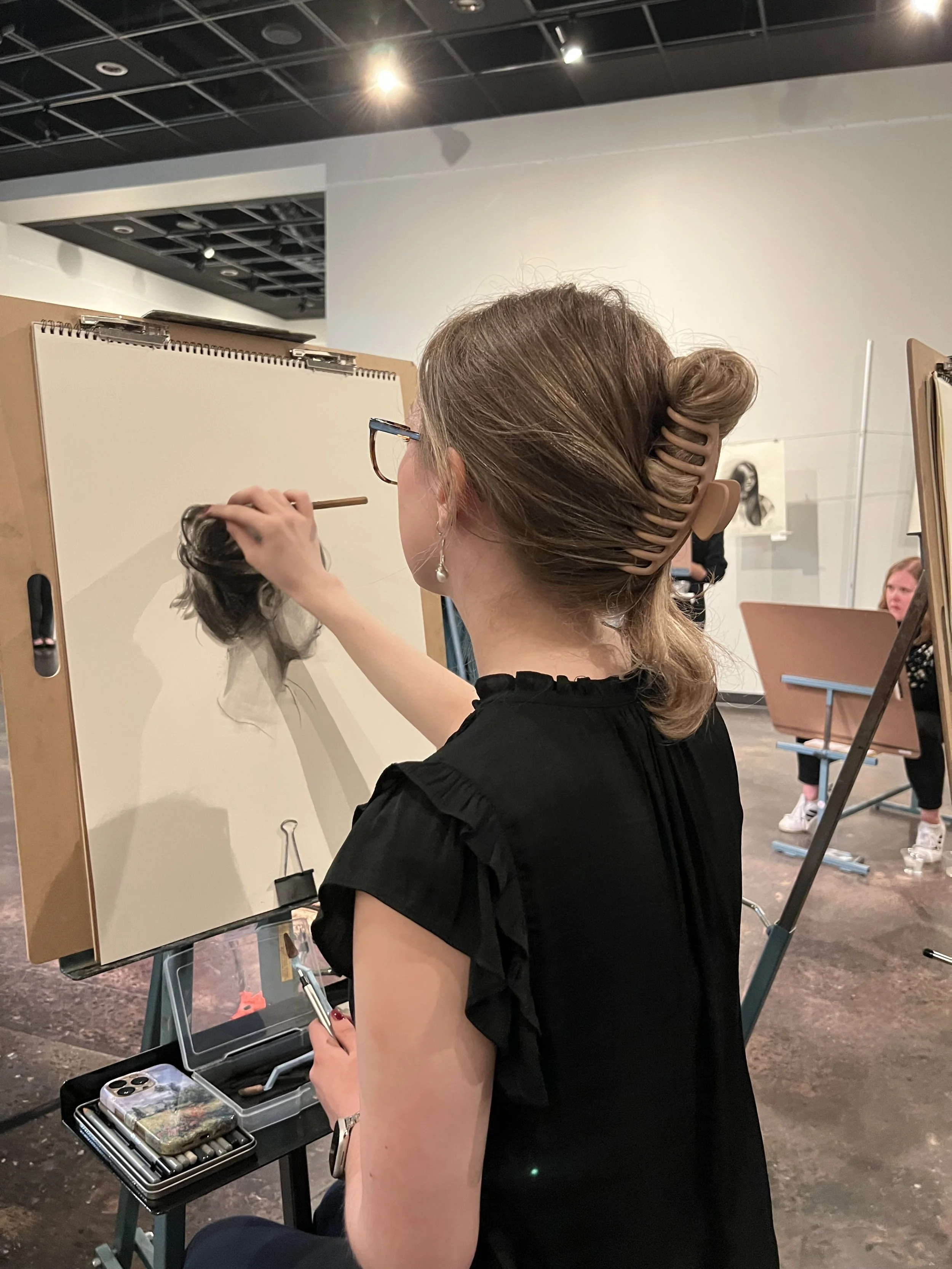
Wow, what a semester it’s been! I am currently wrapping up my third year of grad school, concluding my first semester of in-depth thesis research, and finishing one of my favorite classes from grad school. Throughout this class, I have been challenged in so many ways.
Firstly, I realized how much losing control of the artistic process can foster growth. I am a planner and prepper by nature. I don’t like walking into an art piece without confidence that I can do well. Well, day 1 of this class humbled me and made me realize that grasping at control would be my main struggle this semester.
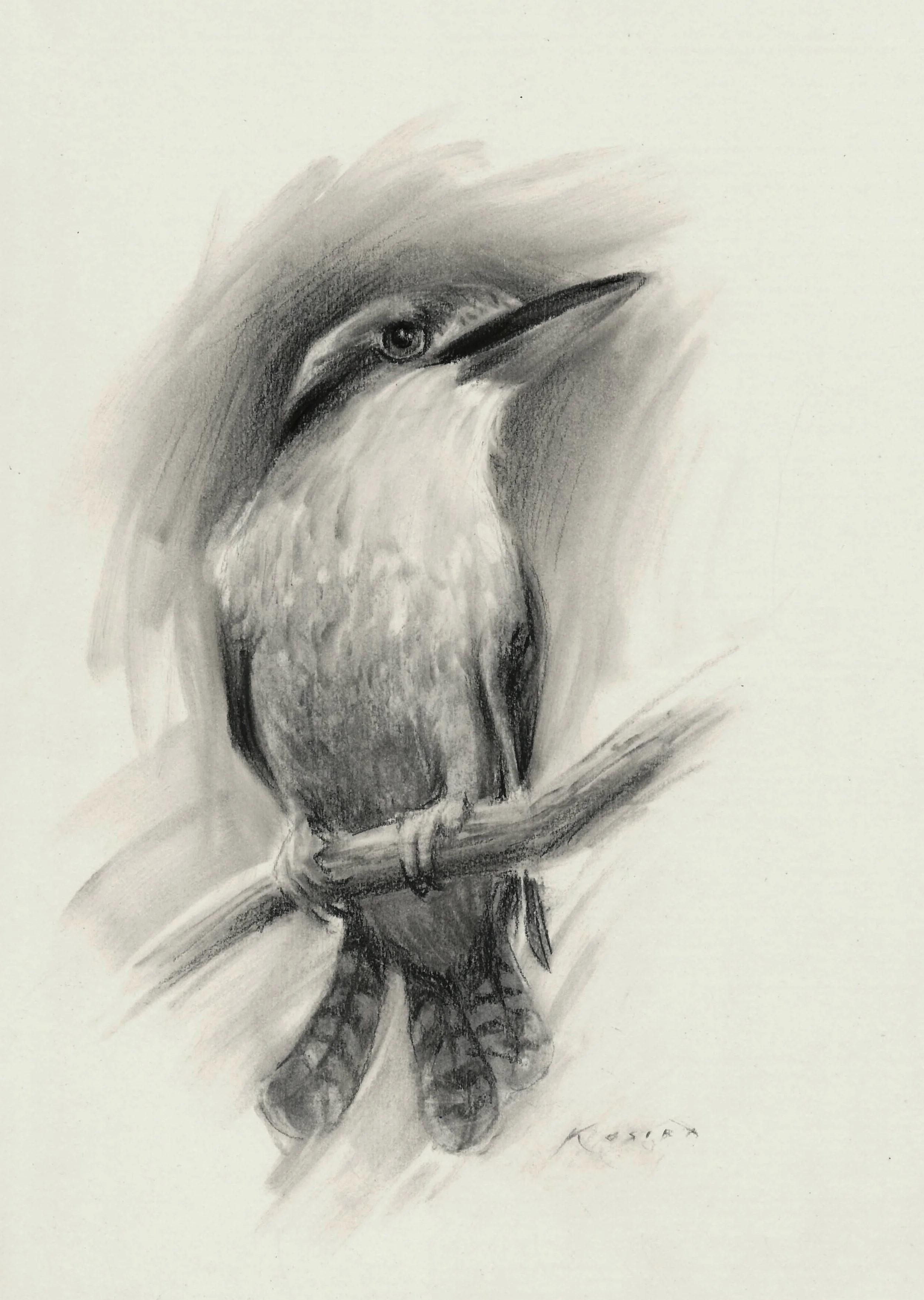
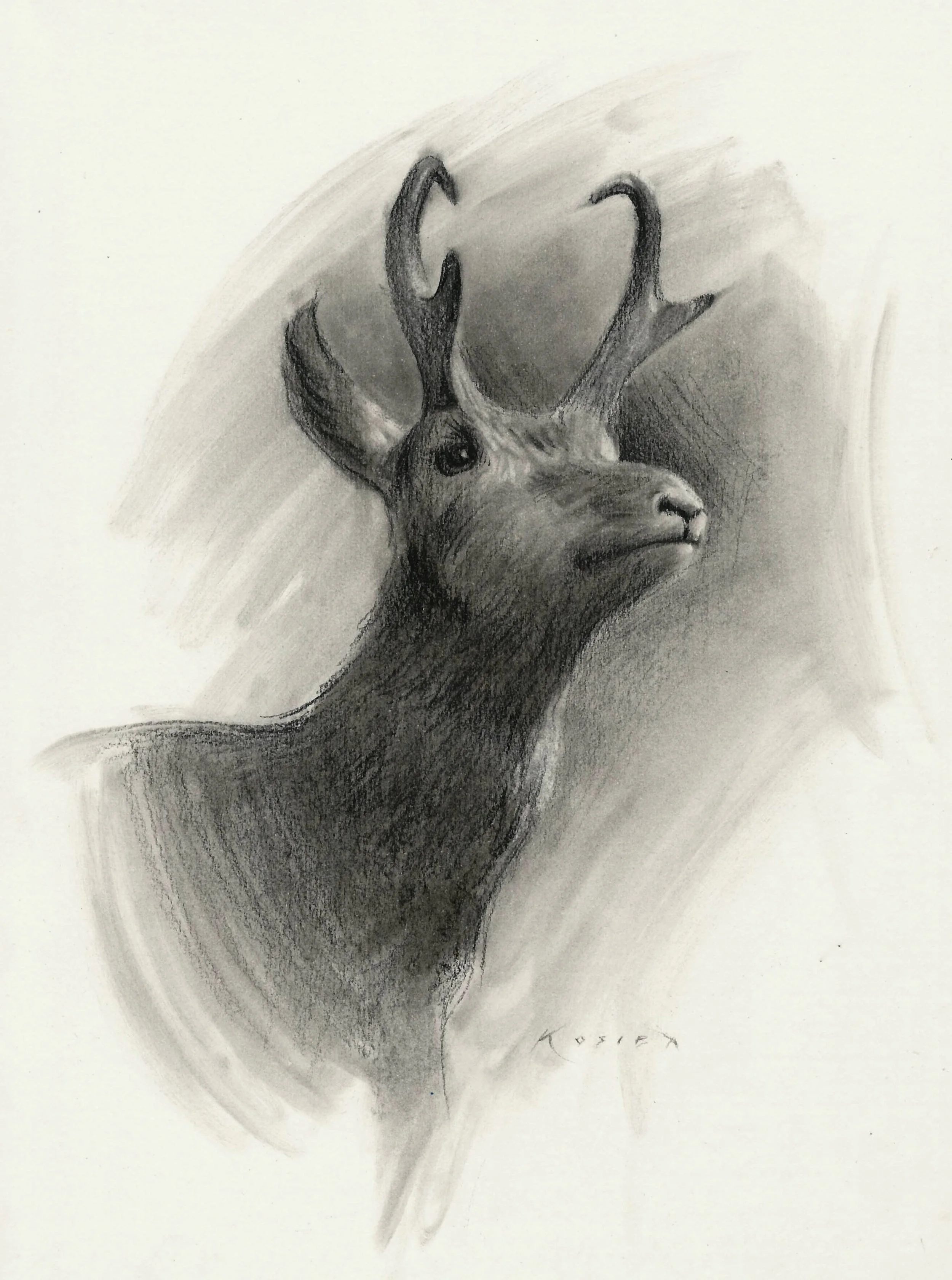
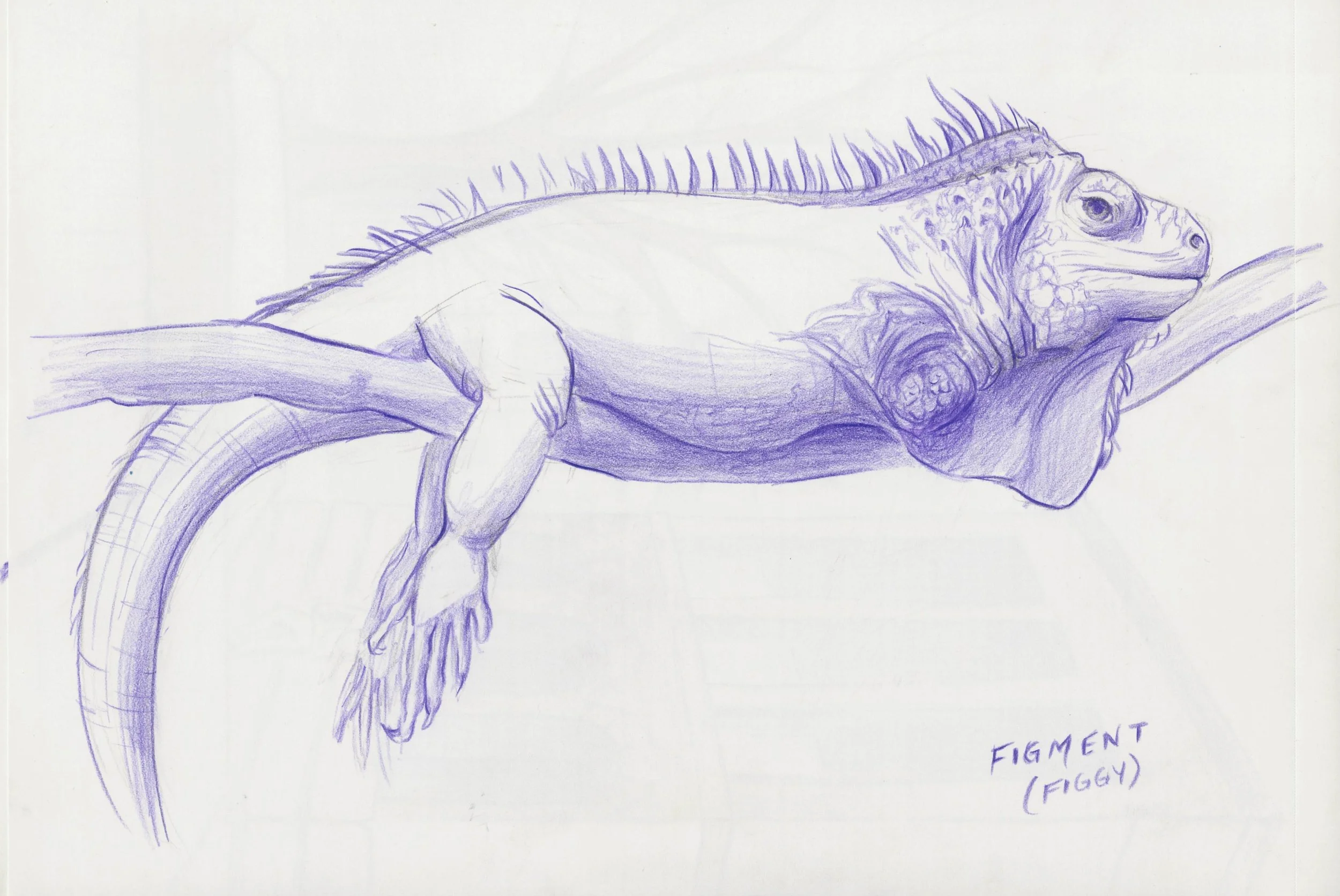
Looking back at the quantity of work I was able to complete (some shared and others I’d prefer to keep hidden), I am amazed at the quick pace we approached everything with. Each week typically produced 1-2 new works of art, a pace I am not used to.
Something that has been difficult to manage is the conflicting feelings of wishing I had done more to put my all into this class, while recognizing that there is only so much creative energy I had to spare during my first thesis semester.
Let me just tell you, finding the energy to reflect on each week in an engaging way while feeling like I’m just keeping my head above water has been hard. That’s the part social media does not show you. This is the grueling part of learning that underlies all the art you compare your work to.
Areas of Growth
All this being considered, I am proud of the growth and lessons I’ve internalized. There are several areas in which I’ve grown:
Artistic interpretation and knowing which parts of a drawing to push in terms of color, value, and edges.
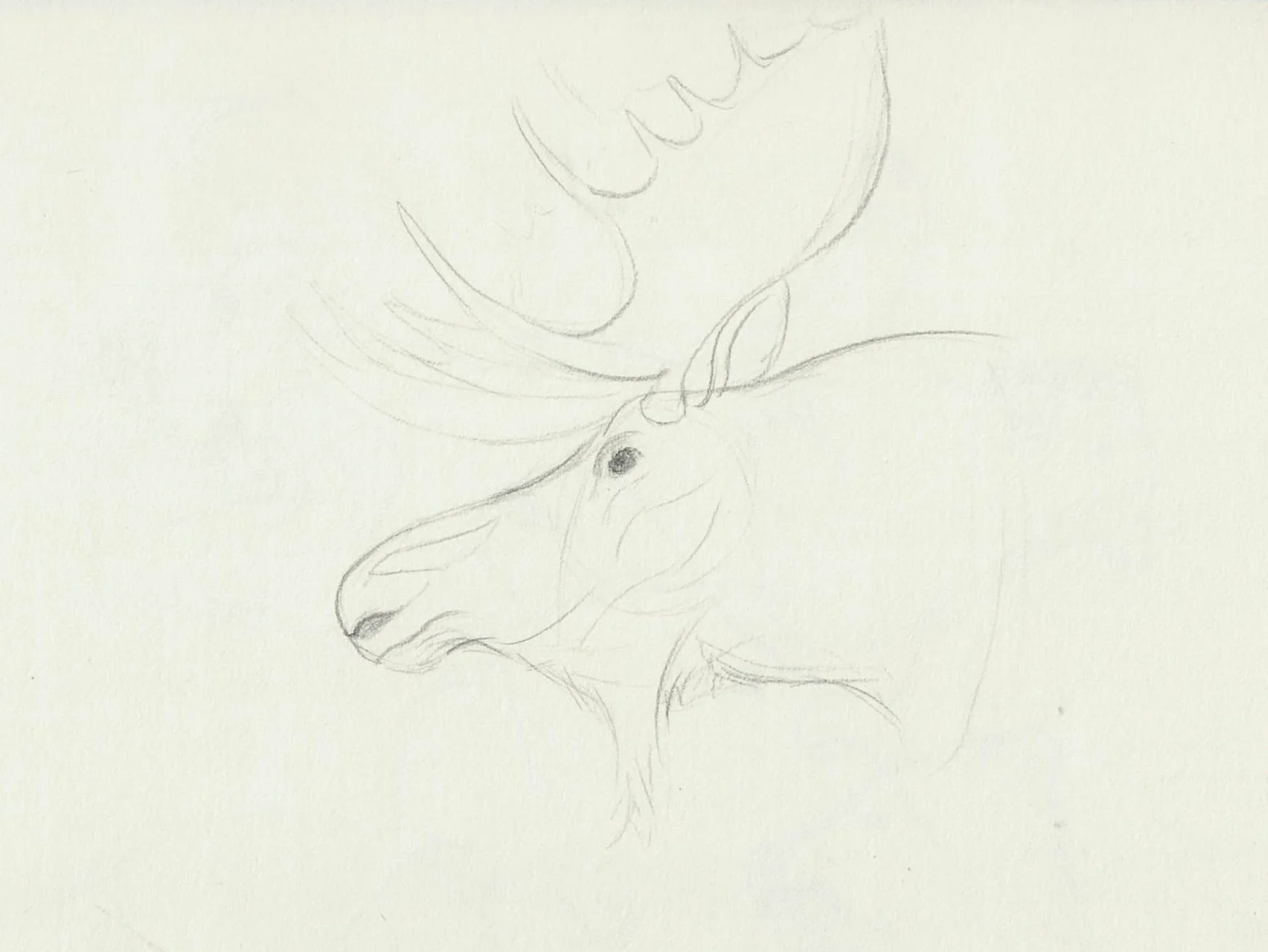
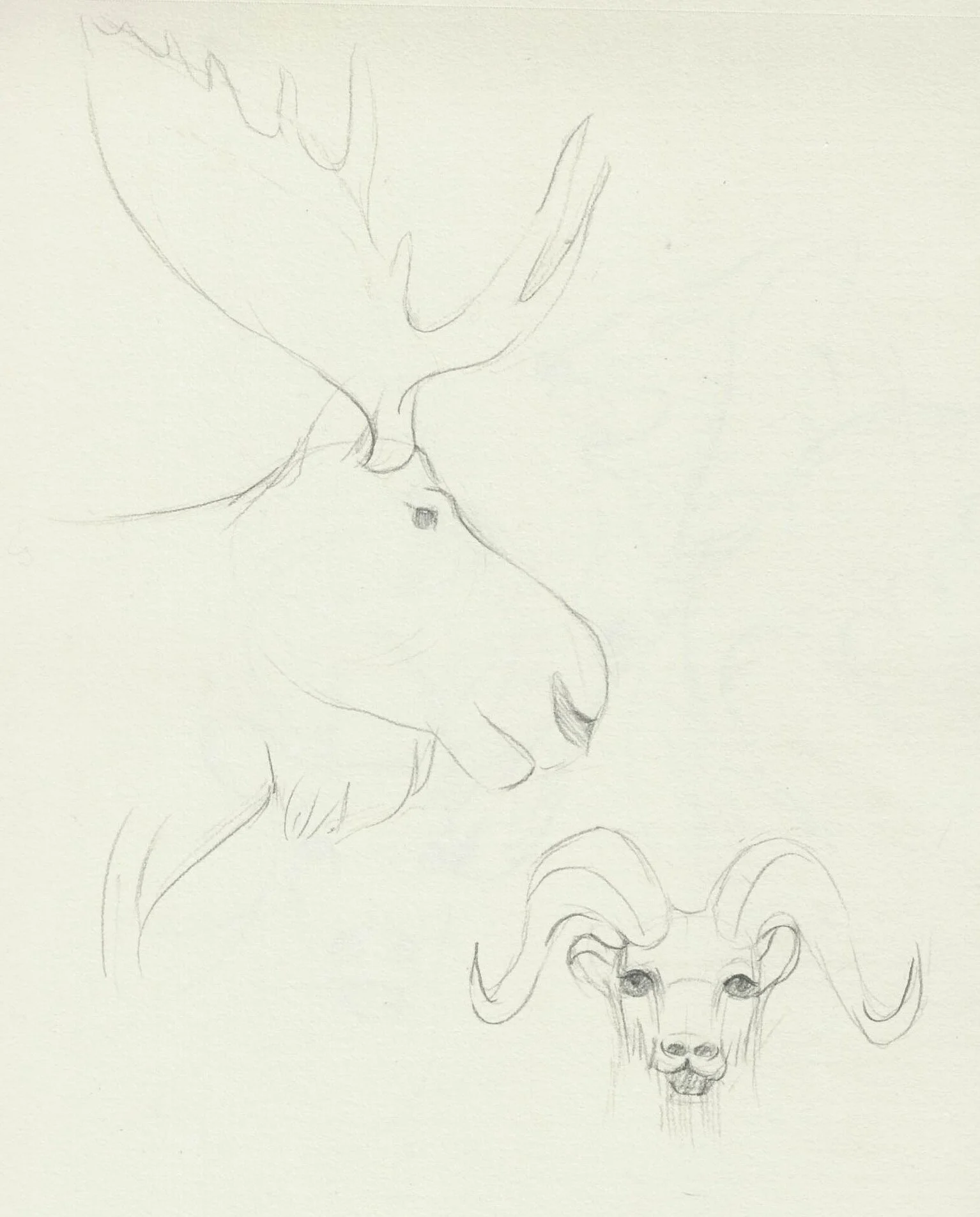
Being more controlled and fluid with my initial linework. I did not view the initial stages of a drawing as super important for keeping the quality clean. The biggest piece of advice I got was to approach each stage of the drawing as if you were to stop right there, would it be a compelling drawing? In the initial block-in stage of a portrait, what can we do to still make it an interesting drawing? How can the linework communicate the character and movement of the animal you’re drawing?
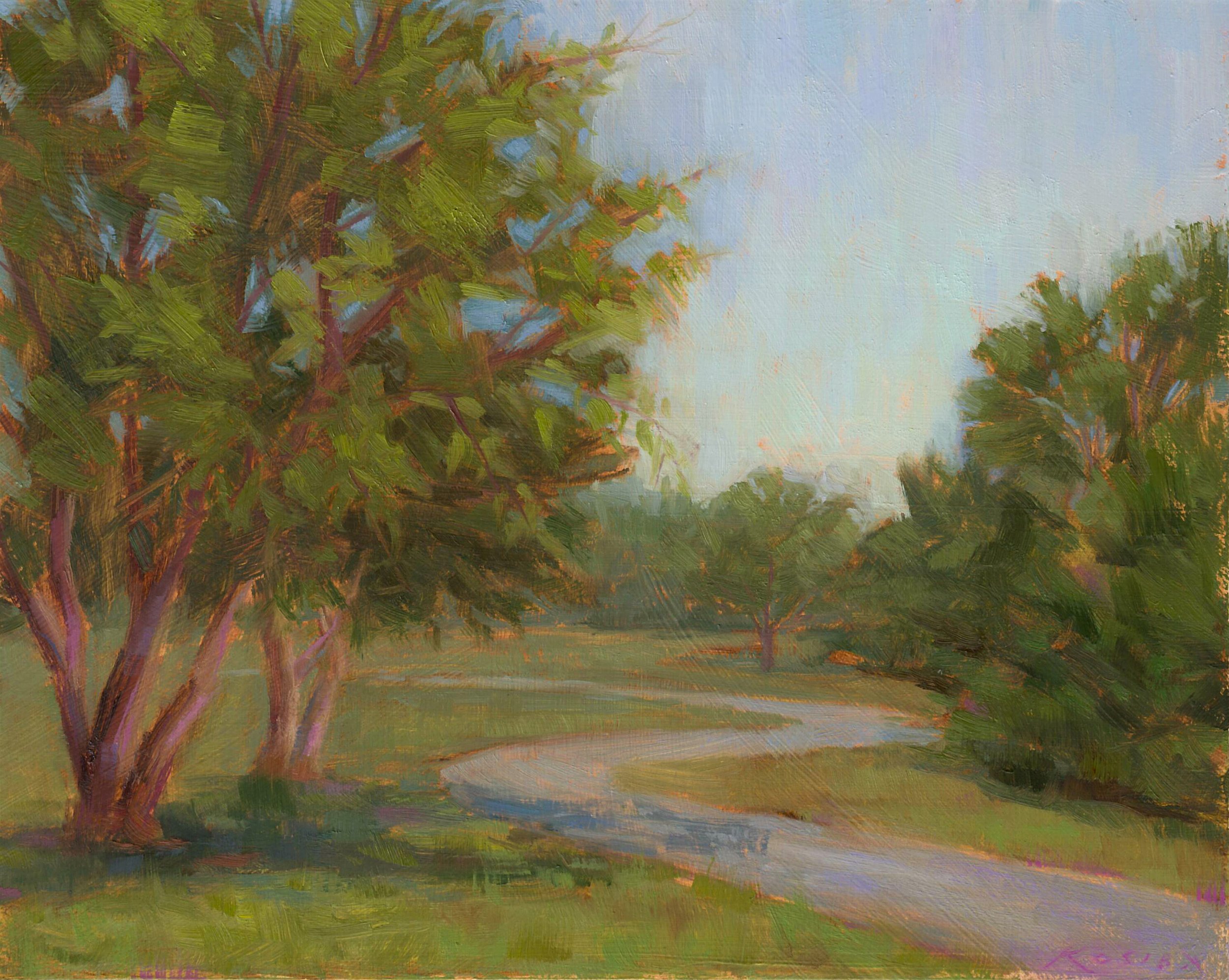
Forest Library. 8×10, Oil on panel.
Areas of Improvement
There are several areas in which I still need improvement:
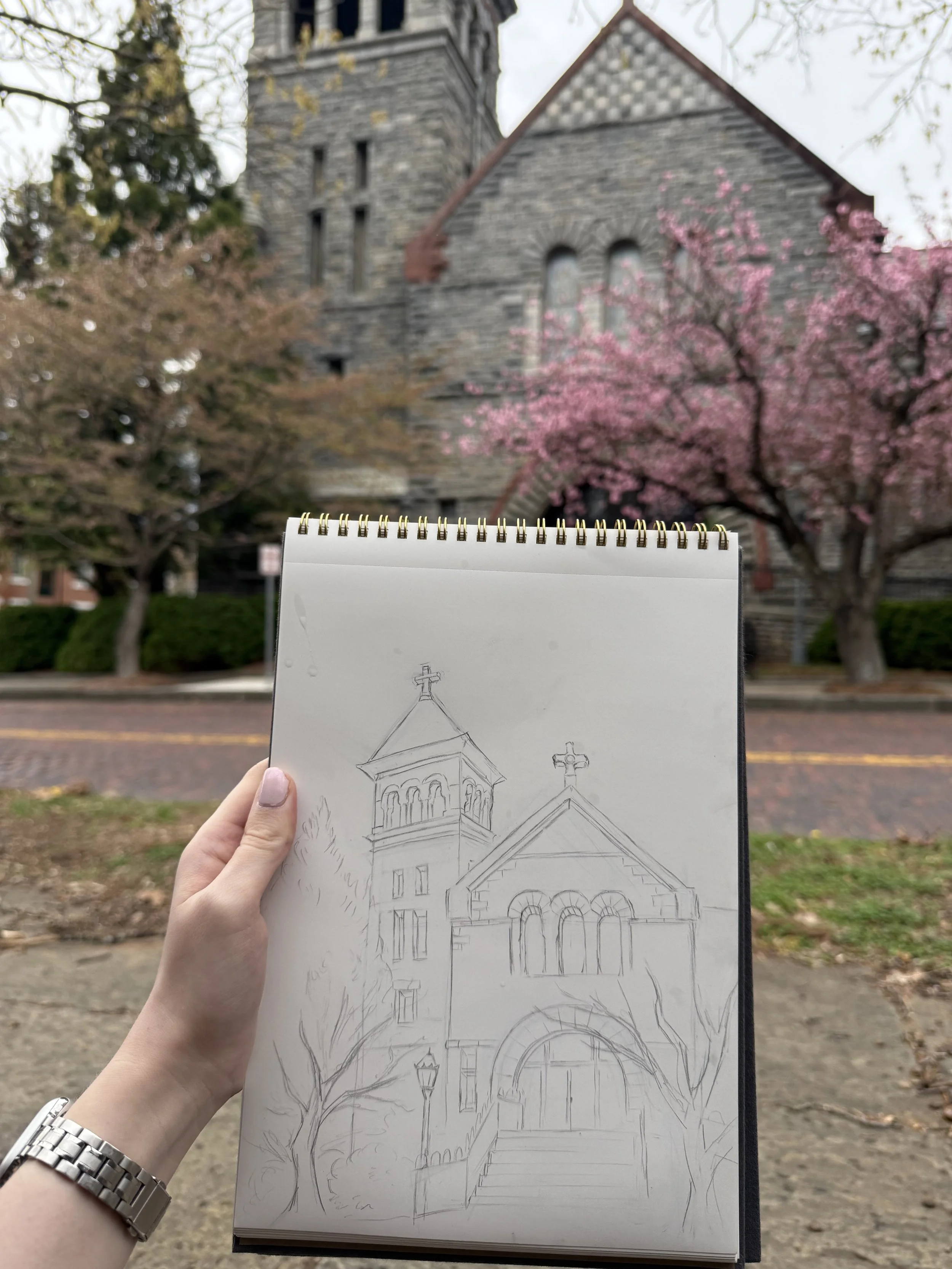
Quick, spontaneous sketches. I really struggled with wildlife and urban sketching because it requires a level of spontaneity I’m not accustomed to. I just needed to embrace the sketchy quality instead of trying to keep everything tight and controlled.
I need to continue working on distinguishing the foliage forms in my landscape oil paintings. Once they reach the middle ground, they become a bit muddled and indistinct.
I need to find more texture contrast in the consistency of my paint. Most of the grassy fields I painted felt too monotonous. I think having some areas of thin paint popping through would help break it up.
Future Goals
Moving forward, I want to continue practicing creating spontaneous sketches. I think part of my problem during the urban sketching unit stemmed from not fully understanding my style. I went heavy into stylization without fully understanding the best way to push forms. I’d like to create some quick, monochromatic urban sketches to help gain more comfort with spontaneity and creating quick compositions. I will use this combined with photos to then create some larger paintings in the studio using oils.
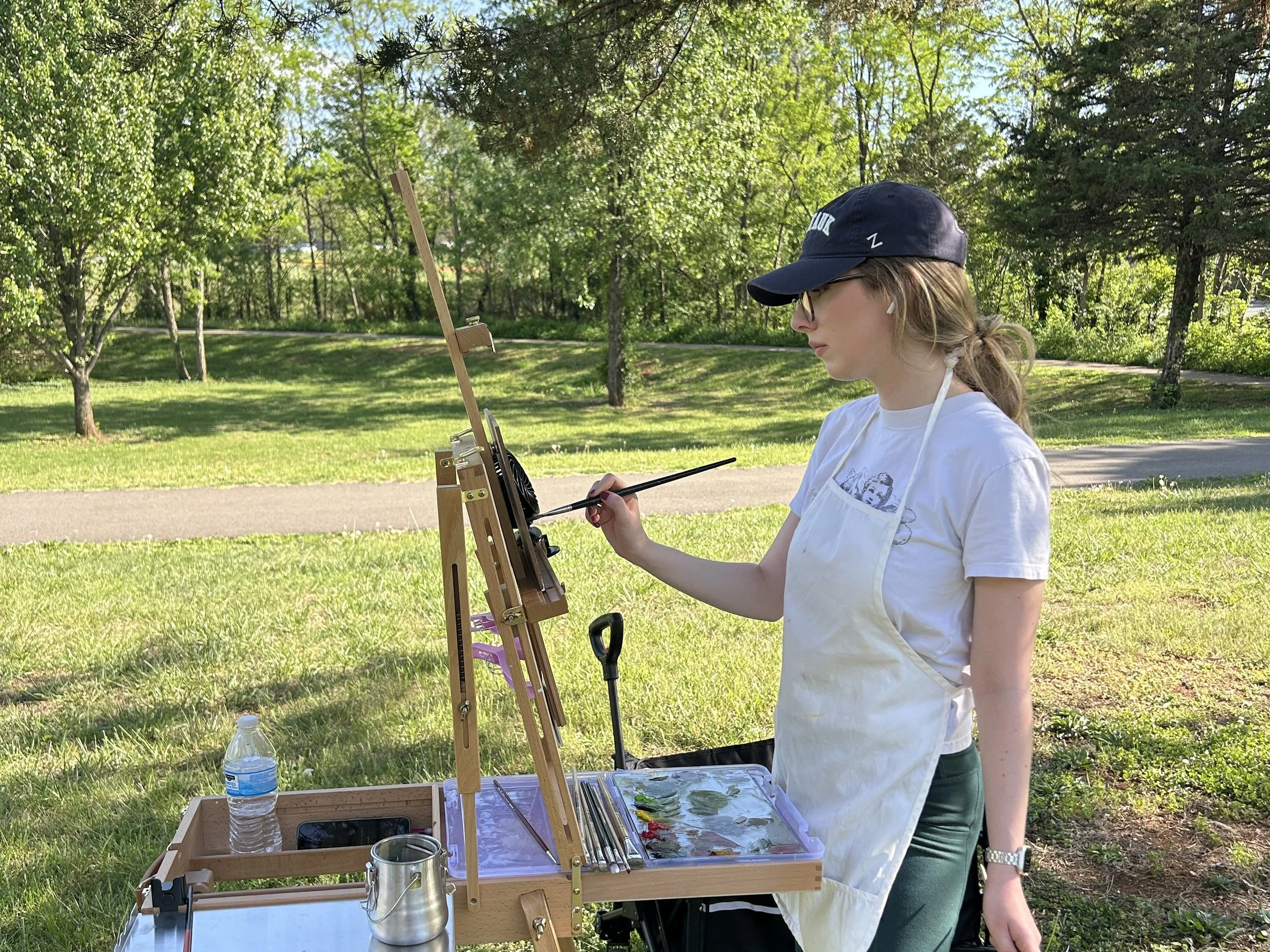
Also, I absolutely want to continue plein air painting. This was one of my favorite units. I have a few small pochade boxes I am eyeing right now. I want to streamline my setup so that it all fits within a light backpack (I’m too weak to lug around the full French easels).
Over this summer, I will be diving back into figurative painting for my thesis. However, there are so many things I learned about artistic interpretation this semester that will influence my paintings.
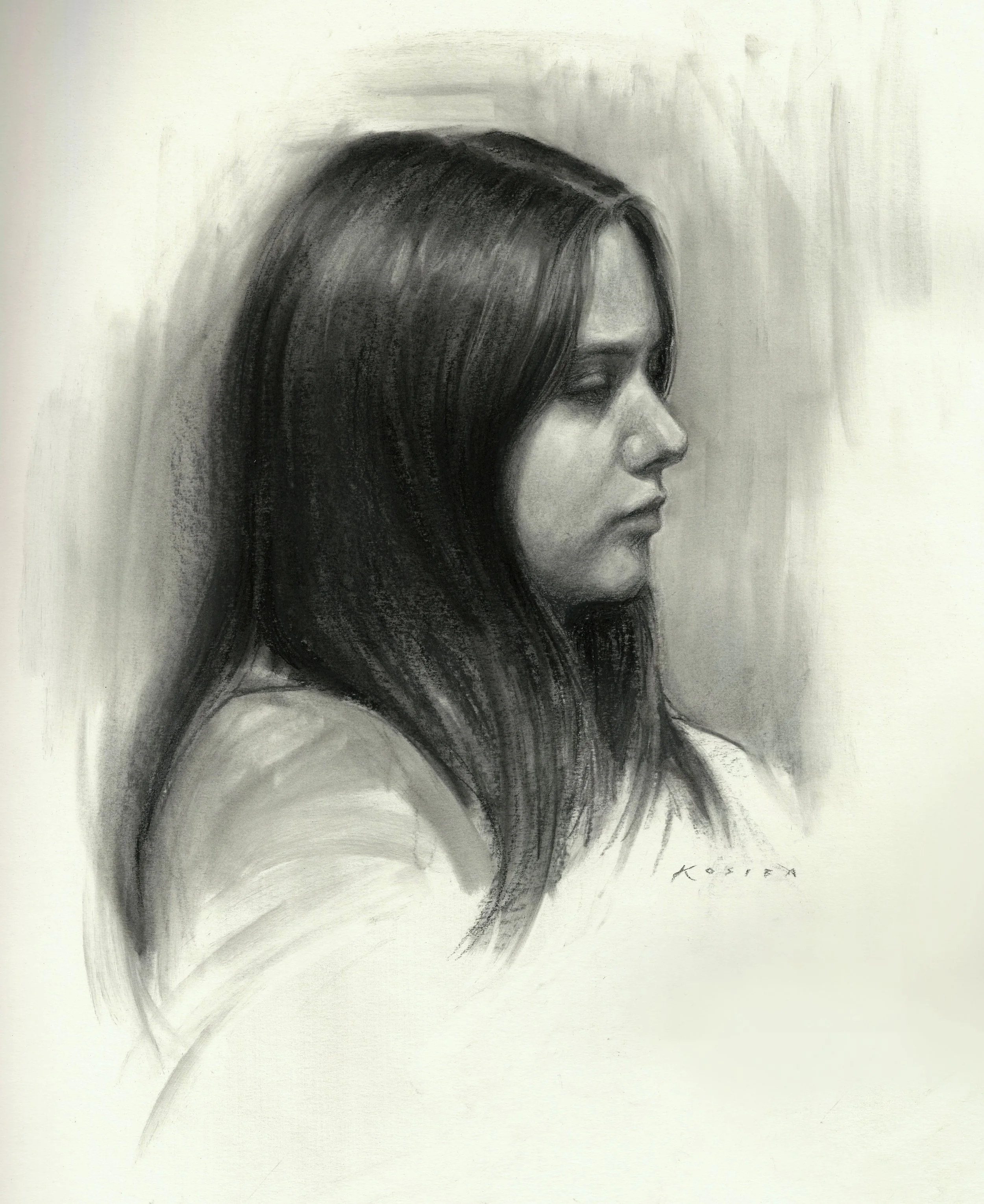
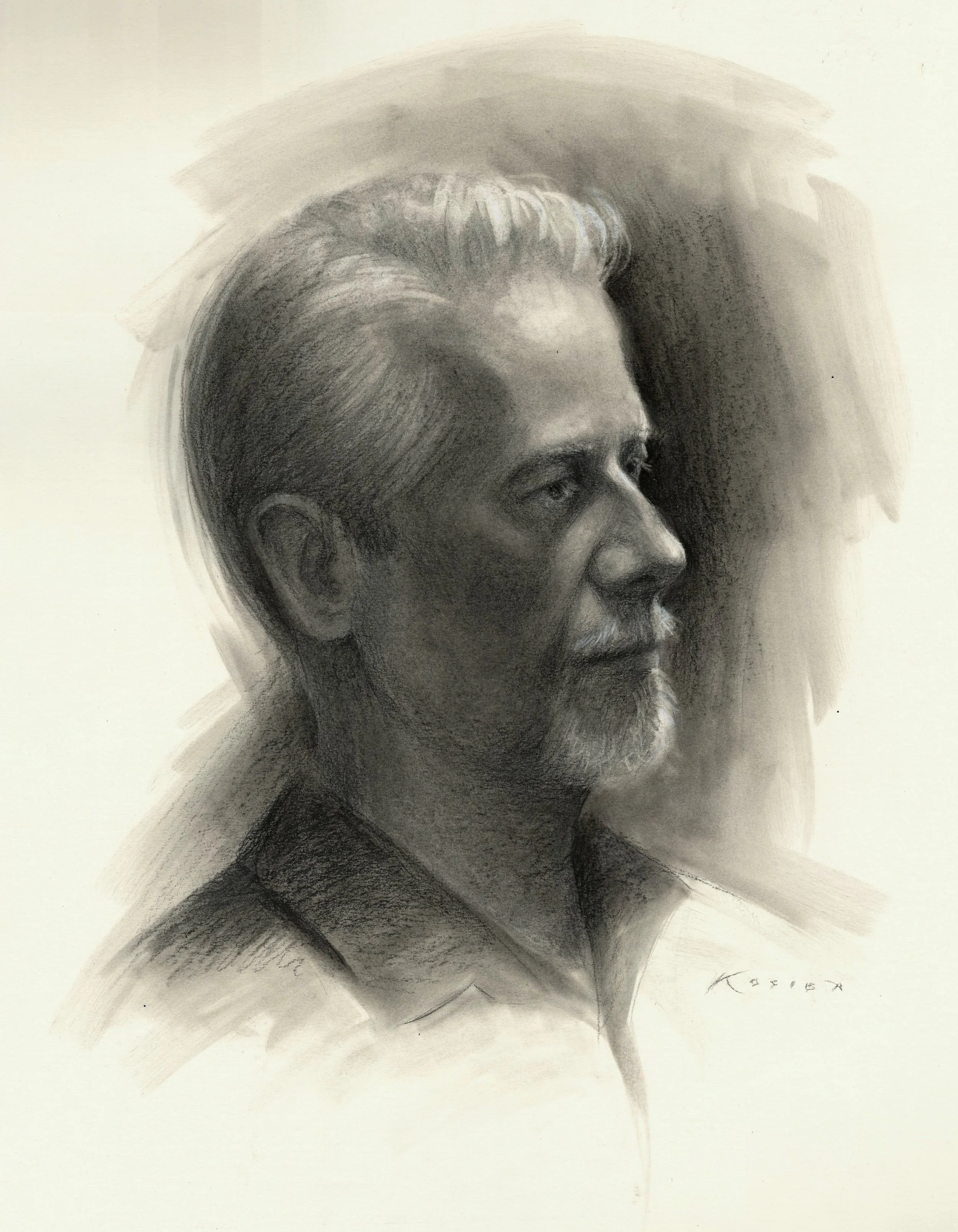
For example, charcoal portraits truly felt more like paintings than drawings to me. I learned to examine what is interesting and characteristic about each face, and how we might enhance the character of those features to capture likeness rather than just a photorealistic replication. Looking back, many of my figurative paintings have a stiffness that comes from trying to replicate the drawing with perfect exactness, which actually detracts from some of the “artfulness.”
Finally, my last goal for the summer is to create without overthinking or planning. I’m going to need smaller breaks from the intense thesis work I will be doing, so I hope to get in some smaller painting and sketches. I want to continue drawing from life, as it's an easy way to explore places I’ve never been and get out of my comfort zone.
Thank you for reading and following along!